 Skip to content

Plumbing is rarely the first thing homeowners think about when planning upgrades, yet it plays a critical role in how a property is valued, perceived, and sold. Buyers may not always see pipework behind walls, but they experience its impact immediately through water pressure, heating performance, efficiency, and reliability. Strategic plumbing upgrades do more than improve comfort; they directly increase property value by reducing future risk, improving energy efficiency, and signalling that a home has been well maintained.
This article explores the plumbing upgrades that genuinely increase property value, based on real-world experience, buyer behaviour, and long-term performance rather than cosmetic trends.
Why Plumbing Upgrades Influence Property Value?
Property value is shaped by risk perception as much as aesthetics. Buyers assess whether a home will require major repairs in the near future, especially for systems that are expensive or disruptive to replace. Plumbing sits high on this list because failures can cause extensive damage and ongoing inconvenience.
A modern, efficient plumbing system reduces uncertainty. It reassures buyers, surveyors, and insurers that the property is structurally sound, compliant with current standards, and unlikely to generate surprise costs. In competitive housing markets, this reassurance often translates into higher offers and faster sales.
Modernising Old Pipework
One of the most valuable plumbing upgrades is replacing outdated pipe materials. Older properties may still contain galvanised steel, lead, or early plastic pipework that degrades over time and no longer meets modern expectations.
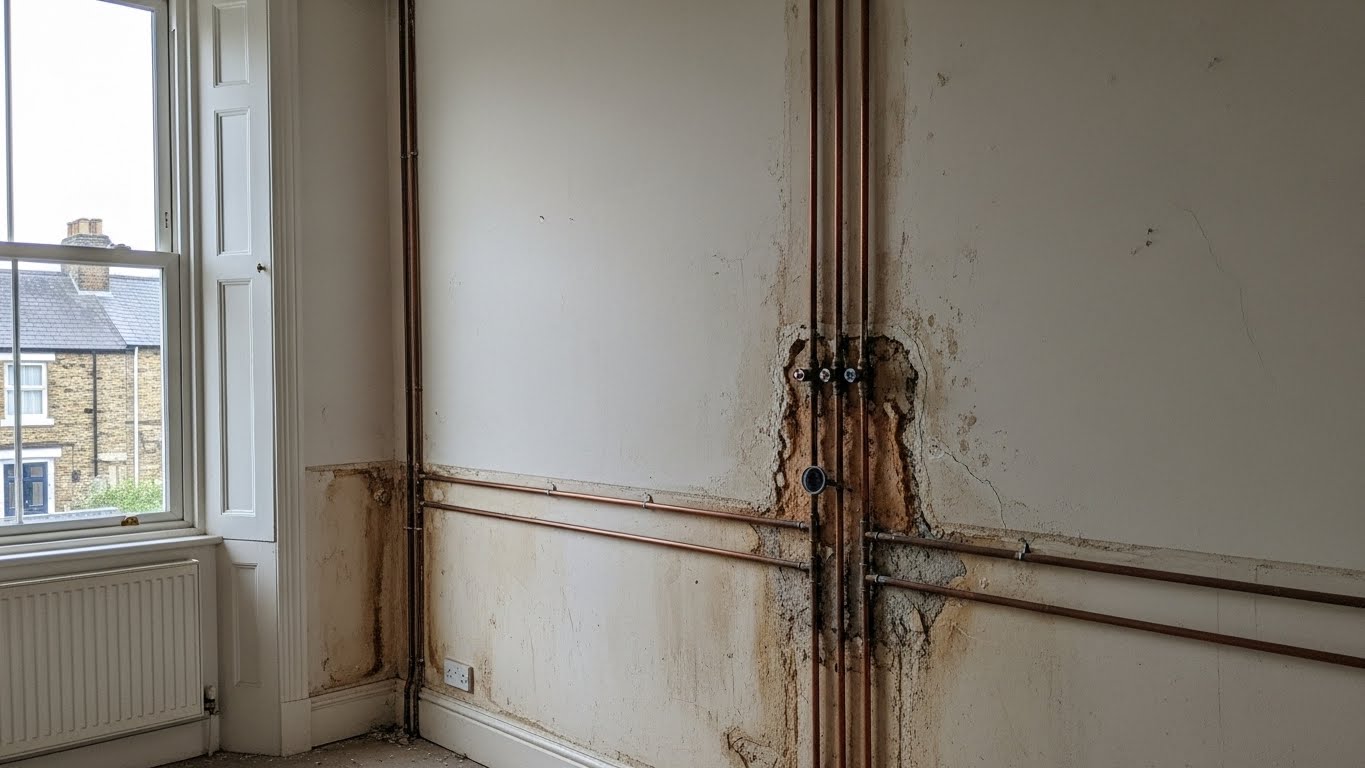
Upgrading to modern copper or approved plastic systems improves water quality, flow consistency, and long-term reliability. Buyers are increasingly aware of the risks associated with ageing pipework, particularly lead contamination or internal corrosion. Knowing that pipes have been replaced removes a major objection during surveys and negotiations.
Improving Water Pressure and Flow
Water pressure is one of the first things potential buyers notice. Weak showers, slow-filling baths, and inconsistent flow immediately suggest underlying plumbing limitations.
Upgrades that improve pressure, such as pipe resizing, pressure-balancing solutions, or correcting poor system design, significantly enhance everyday living. Strong, stable water flow gives the impression of a well-engineered home and adds practical value that buyers can feel during viewings.
Upgrading the Hot Water System
Reliable hot water is essential, yet many homes rely on outdated systems that struggle to meet modern demand. Upgrading hot water systems, particularly moving to efficient combi boilers or modern unvented cylinders, is a strong value-adding improvement.
These systems provide consistent hot water, reduce waiting times, and free up storage space by removing bulky tanks. From a buyer’s perspective, a modern hot water system signals lower running costs, better performance, and fewer maintenance concerns.
Installing an Energy-Efficient Boiler
Heating efficiency is closely tied to plumbing infrastructure. An energy-efficient boiler not only reduces utility bills but also improves a property’s energy rating, which directly affects market appeal.
Modern boilers operate more efficiently, integrate with smart controls, and meet current emissions standards. Buyers increasingly prioritise energy efficiency due to rising energy costs. A recently installed, well-documented boiler upgrade is often viewed as a major advantage that justifies a higher asking price.
Replacing Ageing Radiators and Heating Pipework
Radiators and heating pipes are often overlooked until problems arise. Old radiators with uneven heat distribution or corroded surfaces reduce system efficiency and visual appeal.
Upgrading radiators improves heat output, balances room temperatures, and enhances interior presentation. When paired with updated pipework, these upgrades create a heating system that feels responsive and modern, reinforcing the impression of a well-maintained home.
Bathroom Plumbing Upgrades That Add Tangible Value
Bathrooms strongly influence buyer decisions, and plumbing quality underpins their performance. Upgrading bathroom pipework, waste systems, and water supply lines ensures fixtures operate efficiently and quietly.
Leaks, slow drainage, or pressure issues undermine even the most visually appealing bathroom. Buyers often test taps and showers during viewings, and smooth operation leaves a positive, lasting impression. Reliable bathroom plumbing reduces the likelihood of post-purchase repairs, which buyers factor into their offers.
Kitchen Plumbing Improvements
The kitchen is another area where plumbing upgrades add measurable value. Efficient water supply, proper drainage, and modern connections for appliances all contribute to functionality.
Upgrading old waste pipes, improving sink drainage, and ensuring dishwasher and washing machine connections meet modern standards reduce the risk of leaks and blockages. Buyers value kitchens that are not only stylish but also practical and problem-free.
Addressing Drainage and Sewer Connections
Drainage issues are among the most damaging findings in property surveys. Slow drains, poor pipe gradients, or outdated connections raise red flags for buyers and lenders.
Upgrading drainage systems, repairing damaged sections, and ensuring proper venting significantly improve a property’s perceived reliability. Even though drainage work is rarely visible, its impact on property value is substantial because it removes major risk factors.
Installing Modern Isolation Valves and Controls
Modern plumbing systems are designed with accessibility and control in mind. Installing isolation valves throughout the property allows water to be shut off to specific areas without disrupting the entire system.
This upgrade improves safety, simplifies future maintenance, and demonstrates thoughtful system design. Buyers appreciate practical features that reduce inconvenience and potential damage during repairs.
Improving Pipe Insulation and Winter Protection
Well-insulated pipes reduce heat loss, protect against freezing, and improve system efficiency. In colder climates or older homes, upgrading pipe insulation is a subtle but valuable improvement.
Buyers increasingly consider winter resilience, particularly in properties with exposed pipework. Insulated systems signal proactive maintenance and reduce the risk of winter-related damage, which directly influences buyer confidence.
Reducing Noise Through Better Plumbing Design
Noisy pipes, banging sounds, or vibration suggest poor installation or ageing components. Plumbing upgrades that address pipe support, pressure regulation, and flow design improve acoustic comfort.
Quiet plumbing contributes to overall living quality. Buyers may not consciously analyse plumbing noise, but they notice the difference between a calm, quiet home and one that constantly rattles or bangs.
Updating Fixtures to Support Modern Plumbing Systems
While fixtures are partly aesthetic, they also reflect plumbing performance. Modern taps, showers, and valves are designed to work efficiently with contemporary systems.
Upgrading fixtures alongside pipework ensures compatibility, improves water efficiency, and enhances usability. Buyers associate smooth operation with quality installation, reinforcing the perception of value.
Compliance With Current Standards and Regulations
Properties that meet current plumbing standards are easier to insure, finance, and sell. Upgrades that bring systems closer to modern compliance reduce friction during surveys and legal checks.
Even when full compliance is not mandatory, demonstrating that plumbing has been updated responsibly increases trust. Buyers prefer homes that require minimal immediate work after purchase.
Long-Term Cost Reduction as a Value Signal
Property value is influenced not just by purchase price but by ongoing ownership costs. Efficient plumbing systems reduce water waste, energy consumption, and maintenance expenses.
Buyers increasingly evaluate homes based on total cost of ownership. Plumbing upgrades that lower long-term expenses strengthen a property’s value proposition and justify higher offers.
The Role of Documentation and Professional Installation
The value of plumbing upgrades increases significantly when work is carried out by qualified professionals and properly documented. Certificates, invoices, and service records provide evidence of quality and compliance.
Buyers trust documented upgrades more than cosmetic claims. Clear records turn invisible improvements into tangible selling points during negotiations.
When Plumbing Upgrades Deliver the Highest Return
Not all upgrades offer equal returns. Improvements that reduce risk, improve efficiency, and enhance daily experience consistently deliver the strongest value increases.
Focusing on core systems rather than surface-level changes ensures upgrades remain relevant regardless of market trends. Buyers may change décor, but they rely on plumbing systems to work reliably from day one.
Plumbing Upgrades as Part of a Holistic Property Strategy
Plumbing upgrades are most effective when integrated into a broader property improvement plan. Coordinating plumbing work with renovations reduces disruption and maximises return on investment.
Homes that feel cohesive, efficient, and well maintained outperform those with piecemeal upgrades. Plumbing forms the hidden backbone of this cohesion.
Final Thoughts
Plumbing upgrades may not always be visible, but their impact on property value is substantial. Modern pipework, efficient heating systems, reliable water pressure, and robust drainage all reduce risk and enhance daily living.
Buyers are willing to pay more for homes that offer comfort, efficiency, and peace of mind. Investing in the right plumbing upgrades transforms a property from merely attractive to genuinely valuable. When plumbing systems are strong, the entire home benefits, both in performance and market appeal.